Creating Pathways to Broaden Opportunities for Entry
Nazarbayev University
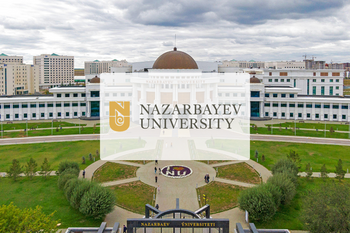
Institution Type: Private, research
Location: Astana, Kazakhstan
Founded: 2010
Student Body:
640 foundation students
4,960 undergraduates
1,910 graduate students
Known For:
- English-medium instruction
- Global academic partnerships
- Rigorous academic standards
- Focus on innovation and modernization in Central Asia
- Strong programs in engineering, science, humanities, and medicine
- Ranked 401-500 by the Times Higher Education World University Rankings (top in Central Asia & Caucasus)
Creating Pathways to Broaden Opportunities for Entry
In Kazakhstan, SAT participation has surged as the country positions itself as a new regional hub for higher education. Over the last five years, test‐taking in Central Asia has grown exponentially, with more students now sending SAT scores to local institutions in additional to abroad—a clear signal that universities like Nazarbayev University (NU) are increasingly accepting these global credentials for admission. As part of Kazakhstan’s “Study in Kazakhstan” initiative, international enrollments reached a record 31,500 in 2023, and the government aims to attract 150,000 by 2029.
Reflecting this shift, universities across Central Asia are expanding admissions policies to incorporate SAT and AP scores, creating more flexible entry pathways for students across the region and aligning local practices with international admissions standards.
Test Score Policy & Practice
- Flexible Test Options: NU accepts a wide range of admissions credentials, including SAT/ACT, its own NUET, IB diplomas, A-levels, and NIS certificates. This flexibility supports applicants’ diverse academic backgrounds and fosters inclusivity.
- SAT Pathway to Foundation Year: For students who do not meet direct undergraduate entry requirements, NU offers a Foundation Year Program where SAT scores can replace the NUET. This provides a familiar, accessible pathway for international students.
- Recognition of Academic Excellence: NU’s policies reflect a commitment to academic meritocracy. Students can showcase their readiness through a combination of standardized scores and other performance indicators, such as GPA and English proficiency.